Health and Safety Policy for Removal Companies Bayswater
 This health and safety policy sets out the standards expected from a professional removal company operating in Bayswater and similar urban environments. Its purpose is to protect employees, customers, visitors, and members of the public from avoidable harm during packing, lifting, carrying, loading, unloading, and transporting goods. A safe working culture is not only a legal and ethical requirement; it is also essential to delivering an efficient, reliable removals service.
Our approach is based on prevention, supervision, and continuous improvement. Every task should be planned with safety in mind, whether it involves a small apartment move or a larger commercial relocation. We expect all staff to follow safe systems of work, report hazards promptly, and use equipment correctly. A responsible removal company in Bayswater must ensure that safety is embedded in daily operations rather than treated as an optional extra.
 This policy applies to all employees, temporary workers, contractors, and anyone acting on behalf of the business. It covers activities such as handling furniture, moving appliances, using trolleys and lifting aids, working in shared hallways, and managing vehicle access. The aim is to reduce the likelihood of slips, trips, strains, collisions, and property damage. We recognise that every removal project presents different risks, so staff must assess each situation before work begins.
General Responsibilities
Management is responsible for providing a safe workplace, suitable equipment, and adequate training. Supervisors must ensure that staff understand the task, the route, the load, and any specific hazards before starting work. Employees must take reasonable care of their own safety and the safety of others. They must not attempt any activity they believe is unsafe or beyond their capability.
All team members are expected to maintain a professional standard of behaviour. This includes wearing appropriate footwear, keeping work areas tidy, and using correct manual handling techniques. Removal companies Bayswater should also make sure that workers remain fit for duty and do not carry out tasks when affected by fatigue, illness, or alcohol or drugs.
 A clear reporting system must be in place so that incidents, near misses, defects, and concerns are recorded and reviewed. Timely reporting helps prevent repeat events and supports improvements in procedures. Where necessary, work should stop until a hazard has been removed or properly controlled. Safety decisions should always take priority over speed.
Safe Working Practices
Before a move starts, a risk assessment should identify hazards linked to stairs, narrow corridors, fragile items, poor lighting, wet surfaces, awkward furniture, and parking restrictions. Where risks are found, suitable control measures must be introduced. These may include additional staff, protective covers, clearer routes, or alternative handling methods.
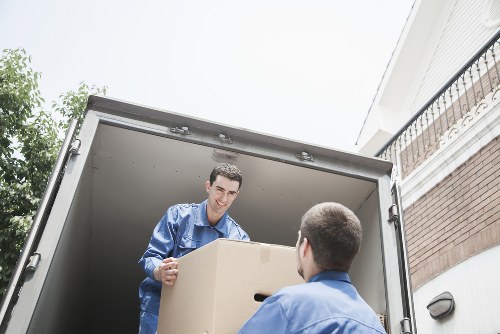
Manual handling is a major concern for removal companies. Staff should lift only what they can manage safely and use team lifts for bulky or heavy items. Pushing, pulling, and carrying should be planned to reduce strain. If an item is too large, heavy, or awkward, mechanical aids such as dollies, straps, ramps, or lift assists should be used. Employees must never force a load that could cause injury.
Vehicles must be loaded securely to prevent movement during transit. Heavy items should be placed low and stable, with fragile objects protected from crushing. Drivers must check that loads are balanced and that access routes remain clear. A safe house removal depends on good loading discipline as much as on careful lifting at the property.
Equipment, Training, and PPE
All equipment must be inspected regularly and kept in safe working order. Any damaged item, such as a faulty trolley, broken strap, or unstable ramp, should be removed from use immediately. Tools and moving aids must be suitable for the task and used only by competent staff. Proper maintenance reduces the risk of accidents and delays.
Training is essential for every removals team. Staff should receive induction training, manual handling instruction, safe lifting techniques, vehicle safety awareness, and guidance on customer property protection. Refresher training should be provided when procedures change or when gaps in knowledge are identified. Training records should be kept to show that competency has been maintained.
Personal protective equipment, where required, should be worn and used correctly. This may include safety gloves, hi-visibility clothing, and protective footwear. In some situations, additional protection such as back supports, dust masks, or knee pads may be appropriate, although PPE should never replace safe planning. The right equipment supports a safer and more confident workforce.
Workplace and Public Safety
 The company must take special care in shared spaces such as apartment entrances, stairwells, and loading areas. These locations can create risks for both staff and the public, particularly where pedestrians, residents, or visitors may be present. Clear communication, controlled access, and tidy working practices are essential. Where needed, a team member should act as a spotter to guide movement and prevent collisions.
Floors should be kept free from packaging debris, loose straps, and spillages. Staff must place warning signs or temporary barriers where there is a hazard to others. In poor weather, extra caution is required to manage wet surfaces and reduce the chance of slips. A professional removal service should always leave premises in a clean and safe condition once work is complete.
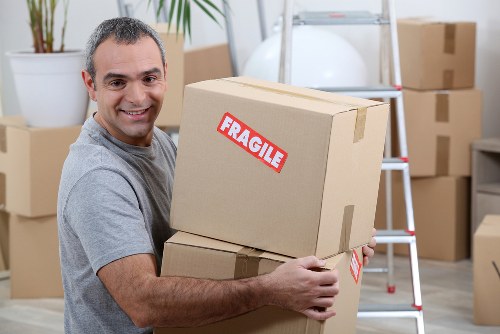
Special care must be taken when moving fragile, valuable, or specialist items. These should be packed securely and handled according to their specific needs. Where items require dismantling or reassembly, only trained staff should carry out the work. Good communication between team members helps avoid sudden movements and reduces the risk of damage or injury.
Emergency Arrangements and Review
 All staff must know what to do in an emergency, including accidents, fire, injury, vehicle breakdown, or unexpected site hazards. First aid supplies should be available, and at least one trained first aider should be identified where possible. Emergency procedures should be explained during induction and reviewed regularly so that everyone can respond quickly and calmly.
Any accident or near miss must be investigated to determine the cause and the changes needed to prevent recurrence. Findings should lead to practical improvements in training, supervision, equipment, or work planning. Removal companies Bayswater that learn from incidents are better placed to protect staff and customers while improving service quality.
This policy should be reviewed at regular intervals or whenever there are major changes to operations, legislation, equipment, or working methods. Management will make sure the document remains current and effective. By following these standards, a removal company can provide a safer working environment and uphold a strong duty of care in every move.